
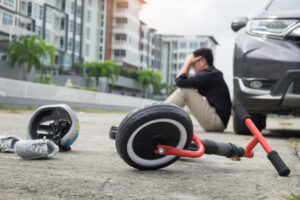
Who is Liable if a Pedestrian is Hit While Jaywalking in Charleston?
Walking through Charleston, whether you are enjoying the historic scenery of the Battery or navigating the busy shops on King Street, should be a safe experience. However, accidents happen in an instant. If you or a loved one were hit by a vehicle while crossing the street outside of a marked crosswalk, you likely have many questions about your rights.
One of the most common questions people ask is whether they can still seek compensation if they were jaywalking. The answer is not a simple yes or no, as South Carolina law looks at the specific details of every accident to determine who is truly responsible.
Is Jaywalking Illegal in South Carolina?
The term jaywalking is common in everyday conversation, but you will not find it specifically defined in the South Carolina Code of Laws. Instead, state law focuses on where pedestrians are allowed to cross and who must yield the right of way.
Under South Carolina Code Section 56-5-3130, pedestrians must yield to vehicles if they are crossing the road at any point other than within a marked crosswalk or an unmarked crosswalk at an intersection. If a pedestrian steps out into traffic where there is no designated crossing area, they are technically in violation of state law.
Do Pedestrians Always Have the Right of Way?
A common myth is that pedestrians always have the right of way. This is not true. While pedestrians have the right of way in marked crosswalks, they must still obey walk and don’t walk signals. When a pedestrian is outside of a crosswalk, they are legally required to yield to vehicles.
However, the law of due care means that a driver cannot simply hit a pedestrian because they had the right of way. Right of way is a rule of traffic flow, not a license to cause harm. Both parties have a responsibility to prevent an accident.
Key Aspects of Fault in Charleston Jaywalking Cases
When determining who is responsible for a pedestrian accident in Charleston, the legal system looks at several specific factors. These aspects determine if a victim can recover money for their medical bills and lost wages.
The 51 Percent Rule (Modified Comparative Negligence)
South Carolina follows a modified comparative negligence rule. This means that as long as you are 50 percent or less at fault for the accident, you can still recover damages. If a jury decides you were 51 percent responsible because you stepped into traffic without looking, you may be barred from recovering anything.
The Driver’s Duty to “See What is There to be Seen”
Under South Carolina law, every driver has a duty of “due care.” This means drivers must remain alert and watch for hazards, including people who might be crossing the road illegally. If a driver was speeding, looking at a phone, or driving under the influence, a lawyer may argue that the driver had the “last clear chance” to avoid the collision but failed to do so.
Location-Specific Factors in Charleston
Charleston has unique road conditions that play a role in fault:
- Historic District Visibility: Many streets in the downtown area are narrow and poorly lit at night.
- High-Traffic Corridors: Areas like Rivers Avenue or Calhoun Street often have heavy pedestrian traffic and frequent distractions for drivers.
- Commercial Evidence: In many Charleston cases, fault is proven using footage from local business security cameras or City of Charleston traffic cameras.
How Fault Affects Your Compensation
If you are hit by a car, the physical and financial toll can be overwhelming. Victims often wonder about the average compensation for a pedestrian hit by a car. Because every case involves different injuries and insurance policy limits, there is no true average. Compensation is based on the specific losses you have suffered.
In a successful personal injury claim, you may be able to recover:
- Medical expenses, including emergency room visits and physical therapy.
- Lost wages if you were unable to work during your recovery.
- Pain and suffering for the physical and emotional distress.
While a pedestrian found to be at fault for jaywalking may limit their recovery, it is essential to recognize that the specific amount recoverable depends on the facts of the case. This highlights why identifying the driver’s negligence is so important.
Steps to Take if You Were Hit While Jaywalking
If you or a loved one were injured, taking the right steps can protect both your health and your legal rights.
- Seek immediate medical attention: Some internal injuries do not show symptoms right away.
- Call the police: An official accident report is vital evidence.
- Collect witness information: People who saw the accident can testify about the driver’s speed or distractions.
- Take photos: Document the scene, the vehicle damage, and the lighting conditions.
- Do not admit fault: Avoid saying you are sorry or that you should not have been crossing there. Let the investigation determine the facts.
FAQs:
1. Can you sue a driver for hitting you while jaywalking in South Carolina?
Yes. You may still file a personal injury claim if you were hit by a vehicle while jaywalking in South Carolina. However, your ability to recover compensation depends on the circumstances of the accident and your percentage of fault. If the driver was speeding, distracted, or otherwise negligent, they may share responsibility for the collision. South Carolina’s modified comparative negligence rule determines whether you can recover damages.
2. What happens if a pedestrian is more than 50% at fault in a South Carolina accident?
Under South Carolina’s modified comparative negligence rule, an injured pedestrian generally cannot recover compensation if their percentage of fault is greater than the defendant driver’s. If the pedestrian is 50% or less at fault, they may recover damages, but their compensation is reduced according to their share of responsibility.
3. Do drivers have to stop for jaywalking pedestrians in Charleston, SC?
Drivers do not automatically have to yield the right of way to pedestrians crossing outside a marked or unmarked crosswalk at an intersection. South Carolina law generally requires those pedestrians to yield to vehicles. However, drivers still have a legal duty to exercise due care to avoid hitting pedestrians, even when they are crossing outside a crosswalk.
4. What compensation can you receive if you are hit by a car while jaywalking?
Depending on the circumstances and the evidence, an injured pedestrian may be eligible to recover compensation for medical expenses, lost wages, reduced earning capacity, pain and suffering, and other accident-related losses. However, the total amount may be reduced based on the pedestrian’s percentage of fault under South Carolina’s comparative negligence law.
Why Local Legal Knowledge Matters in Charleston
The streets of Charleston present unique challenges. From the narrow lanes of the French Quarter to the high-speed traffic on the Arthur Ravenel Jr. Bridge, navigating our city requires care. When an accident happens, having someone who understands the local traffic patterns and South Carolina’s specific negligence laws can make a major difference in the outcome of a case.
If you are dealing with the aftermath of a pedestrian accident, remember that jaywalking does not automatically disqualify you from seeking help. The legal system is designed to look at the whole picture and ensure that negligent drivers are held accountable for their actions.
Disclaimer: This blog post is for informational purposes only and does not constitute legal advice. Reading this content does not create an attorney-client relationship. Every legal case is unique, and you should consult with a qualified attorney to discuss the specific facts of your situation. This information is intended to comply with the South Carolina Rules of Professional Conduct.


